For Two
The Three Honeymoons We Keep Designing in Italy (and How to Pick Yours)
Coastal, countryside, or a bit of both — three itineraries that have held up over thirty years of bookings.
Most of the honeymoons I design come down to the same conversation. The couple knows they want Italy. They cannot agree on which Italy. He wants the coast, she wants the countryside, or the other way around, or both want the coast and disagree about which one. After thirty years of these conversations, I have stopped trying to find the perfect compromise. Instead, I design one of three trips. They are the trips that consistently make people come back, the year after their honeymoon, for the anniversary.
One — the coast
Ten nights. One villa above the sea. One boat day. Two long lunches in lemon-grove restaurants. The rest of the time spent doing not very much.
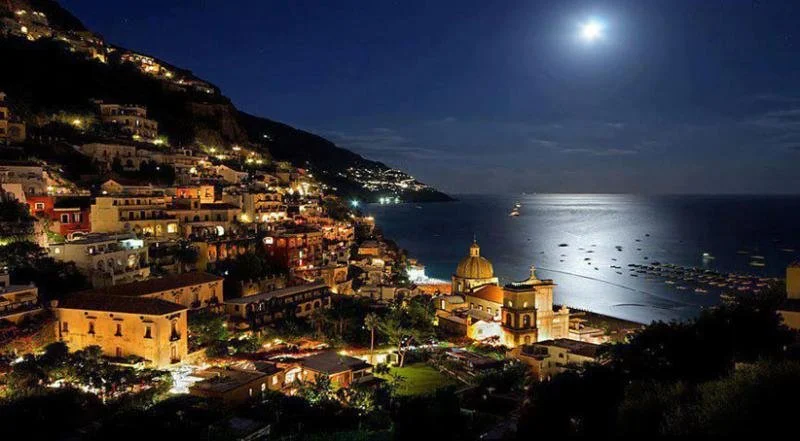
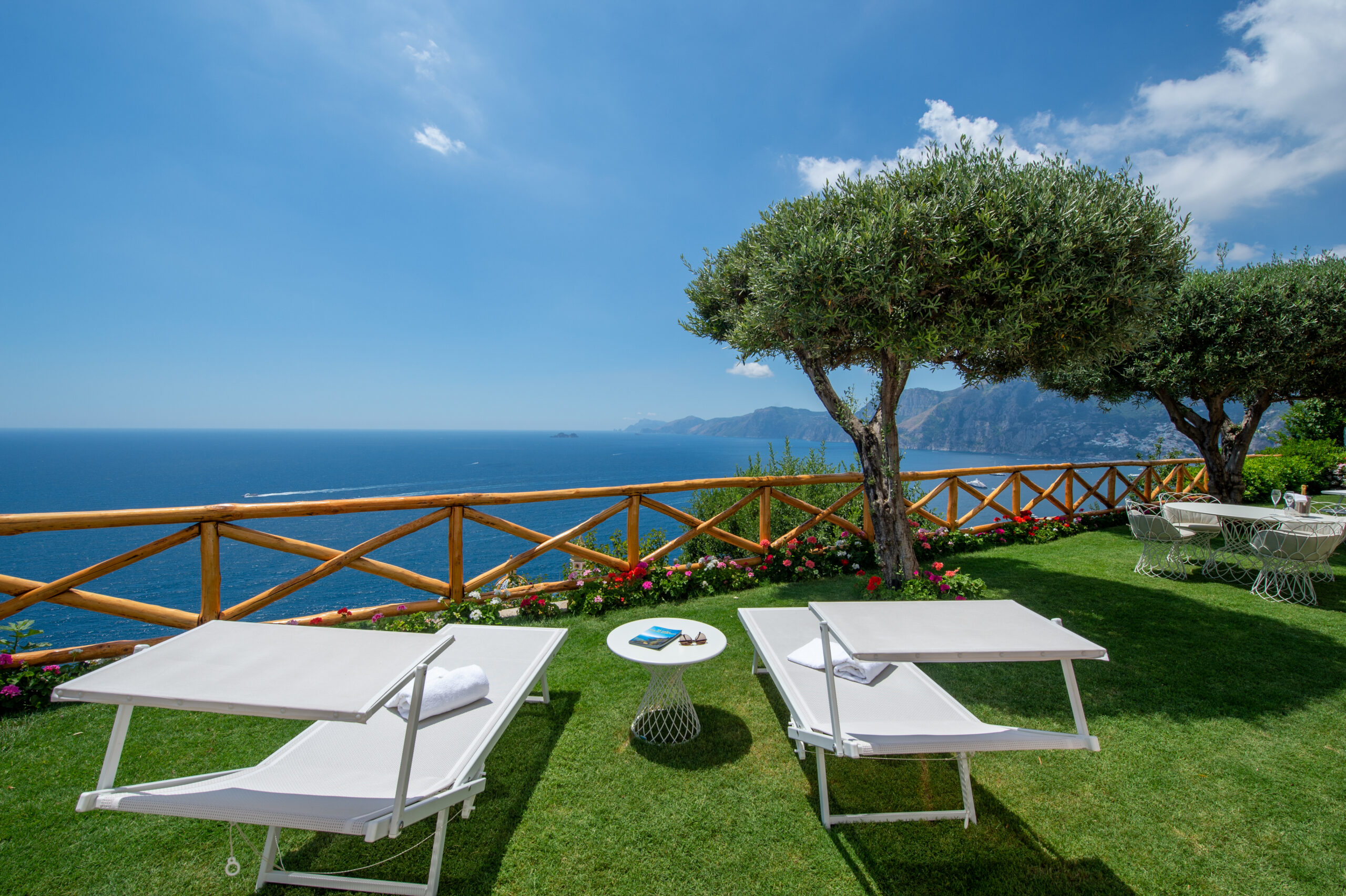
This is the Amalfi Coast trip. Fly into Naples, transfer down the coast road in the afternoon light, do not move from the villa for the first three days. The villa we keep coming back to for this is a 3-bedroom hillside house above Praiano with a private jacuzzi terrace looking across the Bay of Naples to Capri. You can walk to a small bakery in the morning and to a fish restaurant in the evening. The car stays in the garage.
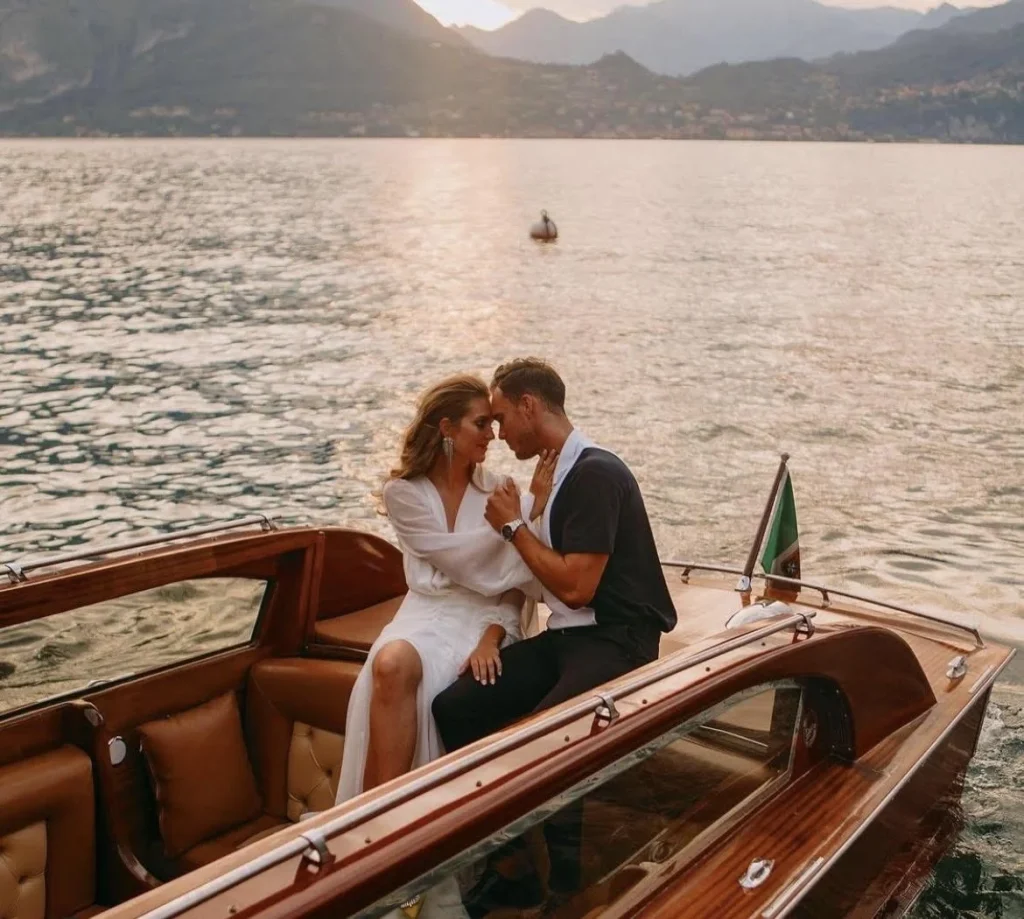
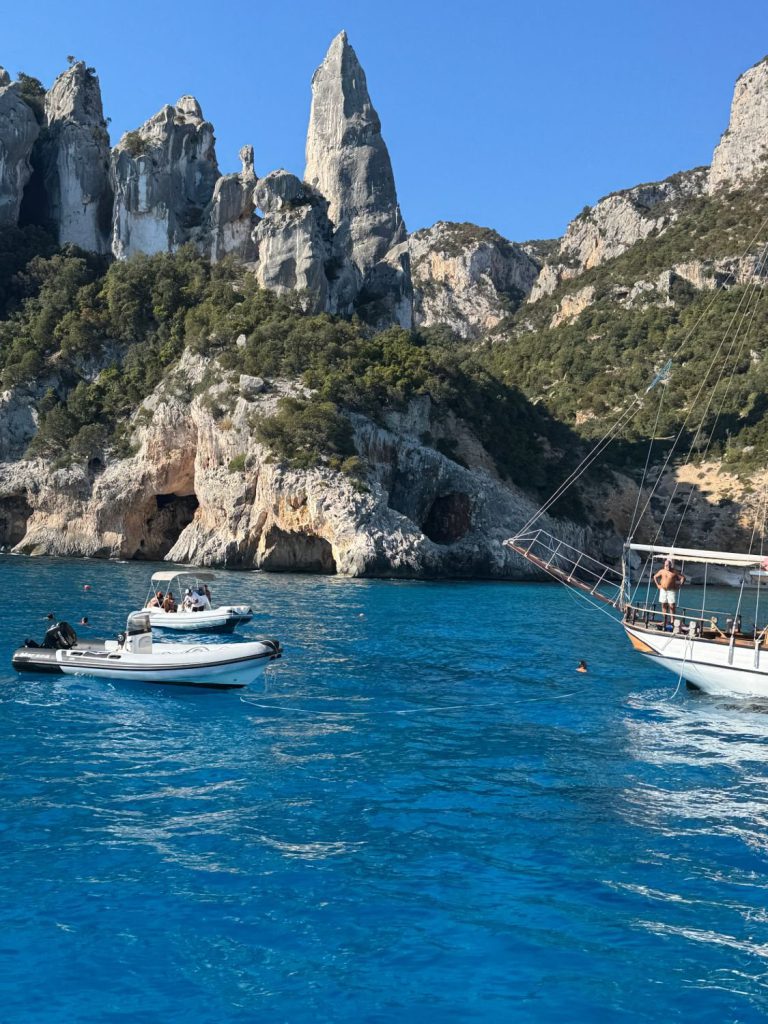
Around day four, when you have started to need a small adventure, you arrange a boat day. We book a captain with a wooden gozzo who takes you west toward Capri, swims you in coves you cannot reach by car, anchors for lunch at Da Adolfo on the unmarked beach below Furore, brings you back at the unhurried hour. The boat day is the thing your photographs will be of. The rest of the week is what they will mean.
On day six or seven, the Amalfi Coast morning drive — Praiano, Conca dei Marini, Amalfi, Atrani, Ravello, lunch at Cumpa’ Cosimo, back by way of the high road. This is the day that earns the coffee-table book.
Best for: couples who want quiet, blue water, dramatic landscape, and zero schedule.
Worst for: anyone who needs a lot of museums in their trip.
Sample villa: Villa Nuea, 3 BR, above Praiano, jacuzzi terrace, sleeps six (you book the third bedroom and leave it empty — trust me, you want the space).
Two — the countryside
Ten nights. One farmhouse with a pool and a cook. A cooking class with a nonna. A wine day. A long drive to a hill town for dinner. A great deal of late breakfasts.
This is the Chianti or Umbria trip. Fly into Florence, transfer to a stone farmhouse in the Tuscan hills with a pool that overlooks the valley, stay put. We have a small handful of villas in our portfolio that are exactly right for this — small enough to feel private (3 or 4 bedrooms), with a long table for two, a working olive grove, a cook on call, and a view that does not photograph as well as it is.
The shape of the week: a morning at a vineyard you would not have found on your own (we choose), a cooking afternoon with the nonna at the estate (orecchiette, fresh pasta, the kind of meal where you eat what you make for dinner), a hill-town night in Cortona or Pienza or Montepulciano, a slow day at the villa with nothing planned, and then a long Saturday drive through the Crete Senesi with a small lunch at a wine farm halfway. You do not do four cities and three museums. You do one valley and you let it become familiar.
The food on this trip is the thing. The couple I designed this for last spring sent me a photo, six months later, of the bottle of olive oil they brought home, propped next to a Christmas-dinner roast. From the trip, she wrote. We’ve made it last.
Best for: couples who have already been to Italy and want to see it slowly; couples who like wine, food, and not having a maître d’ look at their watch.
Worst for: first-timers who would feel cheated if they did not see the Vatican.
Sample villa: Villa Hortus, a small 3-bedroom farmhouse above Siena with a long pool and a cook the estate owners can lend you for the week.
Three — the combination
Three nights in a city. Then a week somewhere quiet. One driver between them. No commercial transfers. The trip that suits people who want both.
The classic version: Rome to Tuscany. Three nights in a small Roman apartment near the Pantheon (we use a 5-bedroom palazzo apartment in the heart of the historic centre that sleeps small groups but is comfortably empty as a honeymoon pair), then a private driver up to a hill villa in Chianti for the next seven. The Rome days are walking days — the Borghese in the morning, a long lunch in Trastevere, the Vatican before dinner, sunset from the Aventine, gelato at Giolitti, an evening at a small wine bar with a view of a fountain. Then the country.
The next-favourite version: Venice to Lake Como. Two or three nights in a small Venetian palazzo apartment (no big hotels), then a slow train to Como through the Veneto, and a week in a lakefront villa. The contrast is part of the joy. Venice is a city you walk; Como is a place you sit.
The third version: Florence to the Amalfi Coast. Three nights in Florence (always our 2-bedroom apartment in Oltrarno, on the quiet side of the river), then a private driver south and a week above Praiano. The transition is dramatic in the best way.
The mistake people make on combination trips is doing more than two stops. Three cities in ten nights and you spend the trip in cars. Two stops — one city, one country — and the trip lands.
Best for: couples who want to see something canonical (the Pantheon, the Doge’s Palace) and also want a quiet week.
Worst for: couples who would rather not be in cities at all.
Sample combination: CasaCau, a restored apartment in a 17th-century Roman palazzo two minutes from the Trevi Fountain, plus Villa Hortus in Tuscany.
A few things we always include
Regardless of which trip you pick, the honeymoon details that we never skip:
Welcome dinner on the first night, at the villa, by the estate cook. You will be tired from the flight. You will not want to drive to a restaurant. Three courses, a bottle of the local white, on the terrace. We arrange this for every couple, every trip.
One genuinely special restaurant. Not a Michelin show; a place we like that we have eaten in ourselves three times. We book six months ahead. You arrive, you do not look at a wine list.
One after-hours experience. The Vatican Museums lit differently, walked at your own pace. The Uffizi in the empty morning hour before the public open. The Galleria Borghese alone. These are the ones that turn into the story you tell years later.
A driver, not a rental car. Honeymoons are not driving trips. A driver costs less than the time you would lose arguing about the map.
When to come
September is the honeymoon month. Less heat than July or August, fewer crowds, the water is at its warmest, the wine harvest is on. June is the second-best. May is for the countryside (less reliable for the coast). October is wonderful for Tuscany and Umbria but the Amalfi Coast restaurants start to close in late October. December is a quiet honeymoon if you want a different kind — fires lit, fewer guests, the food turns to truffle.
Plan yours
The three trips above are the templates. We adapt them every time — fewer nights, different stops, family villa instead of couple’s villa if you are tacking on a few days with your parents at the start. Tell us when you are coming and what your two of you want most from the week, and we will tell you which of the three to start from. Get in touch and we will start the planning.