Rome in October
What Is the Ottobrata Romana? Rome’s October Tradition, and How to Enjoy It Today
Rome's old October tradition of wine, food and music outside the city walls, what ottobrata means today, and how to have your own.
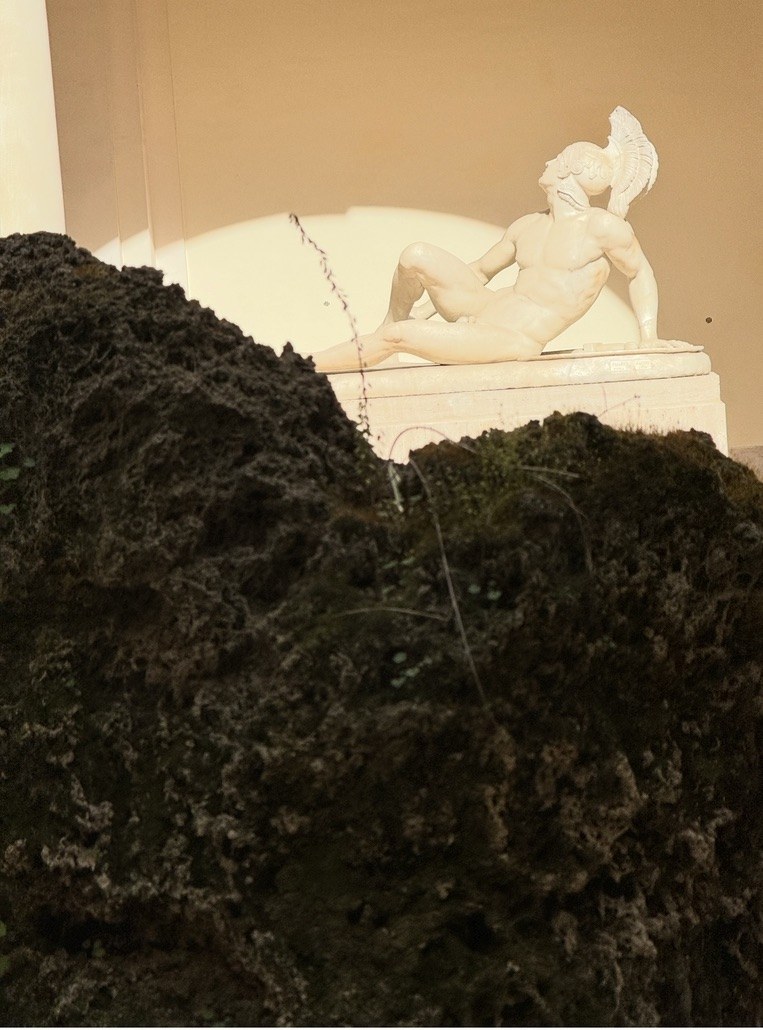
The Ottobrata Romana was Rome’s October day out. Through the month, on Sundays and Thursdays, Romans left the city through its gates for the vineyards and wine cellars of the countryside to celebrate the end of the grape harvest with food, wine, music and dancing. The custom lasted until the early 20th century. Today Romans use the word for the warm, golden October days that feel like a second summer, and the old idea, a long lunch outside the center with a glass of new wine, is still one of the best ways to spend a fall day in Rome.
The Ottobrata Romana: quick answers
- What it is: a traditional October outing from Rome to the vineyards and wine cellars just outside the city walls, to mark the end of the grape harvest.
- When: Sundays and Thursdays through October, from at least the 1700s until the early 1900s.
- Where Romans went: Monte Testaccio and its wine caves, the vineyards near Porta San Pancrazio, the meadows past Ponte Milvio, and outside Porta San Giovanni and Porta Pia.
- What it means today: a warm, sunny October day in Rome. Romans still say “Che splendida ottobrata!”
- How to do it now: lunch in Testaccio, a walk along the Tiber or the ancient aqueducts, or a day in the wine towns of the Castelli Romani.
What does ottobrata mean?
Ottobrata comes from ottobre, the Italian word for October. The plural, ottobrate romane, refers to the series of outings that filled the month. In Rome today, the word has a second meaning: a stretch of warm, bright October weather, the city’s version of an Indian summer. When the sun comes out after the first fall rain and everyone heads for a terrace, you will hear “che splendida ottobrata,” roughly “what a wonderful October day.”
Where did the Ottobrata Romana come from?
The Ottobrata grew out of the grape harvest. Rome was ringed by vineyards and market gardens, and when the harvest was in and the new wine was ready, Romans went out to taste it where it was made. Some historians connect the custom to the Bacchanalia, the ancient Roman feasts for Bacchus, the god of wine, though the link is a theory rather than a documented line. What is certain is that by the 1700s and 1800s the Ottobrata was a fixture of Roman life, shared by nobles and ordinary families alike. Giacomo Casanova described his own Ottobrata and complained only that the ride from Rome to Testaccio was too short.
How did Romans celebrate the Ottobrata?
Groups set off in the morning from their neighborhoods, the rioni. Families who could afford it hired a carrettella, a light two-horse carriage hung with bells and rattles. Seven or nine young women rode inside, dressed up in hats covered in flowers and feathers: the one beside the driver was the Bellona, the others the Minenti. The men walked alongside, playing guitars, drums and castanets and singing.
Once outside the walls, the day was given over to food, wine and games. Tables were laid with gnocchi, roast lamb (abbacchio) and Roman-style tripe, with plenty of new wine. People played bocce and ruzzola, a game of rolling wooden wheels, and danced the saltarello until evening. The outing was not cheap, between the carriage, the clothes and the feast, and the chronicles of the time tell of Romans pawning their belongings to pay for it; one account from 1860 describes a woman who pawned her bed.
Where did Romans go for the Ottobrata?
- Monte Testaccio. The favorite. This hill near the Tiber is made entirely of broken ancient Roman amphorae, and from the 1600s its slopes were dug into caves that kept wine cool. Taverns grew up around them, and Testaccio became the place to drink the new wine.
- Monteverde and Porta San Pancrazio. Vineyards spread across the slopes behind the Janiculum Hill.
- Ponte Milvio. The meadows past the ancient bridge, north of the city, were a short ride from Piazza del Popolo.
- Porta San Giovanni and Porta Pia. Beyond these gates lay orchards and country inns.
- Villa Borghese. Some princely families opened their gardens for games and music.
- The Castelli Romani. The more ambitious went as far as the wine towns in the Alban Hills, such as Frascati and Marino.
How to have your own Ottobrata in Rome today
The carriages are gone, but the idea works perfectly: pick a sunny October day, get out of the center and make lunch the main event.
- Lunch in Testaccio. Several trattorias here are built into the old wine caves of Monte Testaccio, and the neighborhood is the home of classic Roman cooking: cacio e pepe, carbonara, oxtail stew and tripe. Walk it off in the Testaccio market and the Non-Catholic Cemetery nearby.
- A walk along the aqueducts. The Parco degli Acquedotti, on the southeast edge of the city, keeps the open countryside of the old Ottobrate, with Roman aqueducts striding across the fields. It is a favorite picnic spot on warm fall weekends.
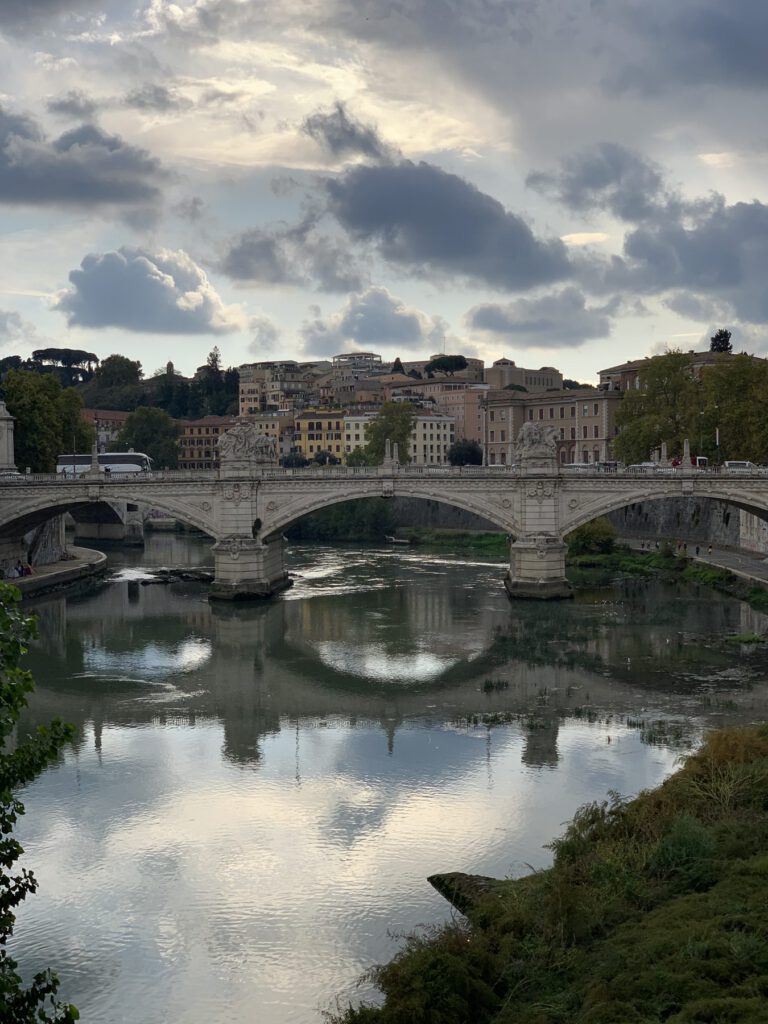
- Ponte Milvio and the Tiber. Follow the old route north along the river to Ponte Milvio for an aperitivo, as Romans have for centuries.
- A day in the Castelli Romani. The hill towns south of Rome still celebrate the harvest. Marino holds its grape festival, the Sagra dell’Uva, on the first Sunday of October, when its fountains famously run with wine. In Frascati, stop at a fraschetta, a simple wine tavern where you bring or buy porchetta, cheese and bread to go with the local white. See our Rome day trips for more.
- A picnic in Villa Borghese or Villa Doria Pamphilj. Rome’s great parks are at their best in October light.
What to eat in Rome in October
Eat the Ottobrata menu and the season together. Romans still follow the old weekly rhythm, “giovedì gnocchi, venerdì pesce, sabato trippa”: gnocchi on Thursday, fish on Friday, tripe on Saturday. Look for abbacchio, Roman roast lamb; trippa alla romana with tomato, mint and pecorino; porcini on fresh pasta; roasted chestnuts sold on street corners; and the first new wine from the Castelli Romani. For where to order them, see our Rome restaurant guide.
What else is on in Rome in October and November?
- Rome Film Festival (Festa del Cinema di Roma), mid to late October at the Auditorium Parco della Musica, with premieres and red carpets open to the public.
- Romaeuropa Festival, contemporary music, dance and theater from September into November.
- Neighborhood ottobrate. Some districts, such as Monti, hold their own October street festivals with food stalls and music.
- Sagra dell’Uva in Marino, the first Sunday of October, in the Castelli Romani.
- All Saints’ Day, November 1, a national holiday. The Vatican Museums are closed and transport runs on a Sunday schedule.
Dates change each year, so check before you go, or ask us when you book. For Thanksgiving dinners in Rome later in November, see our guide to Tuscany and Rome in October and November.
What is the weather like in Rome in October?
Warm days and cool evenings: highs around 72°F and lows in the mid 50s, with more rain as the month goes on. Early October often feels like summer, which is exactly what an ottobrata means. Pack layers, a light jacket and comfortable shoes for cobblestones, and cover your shoulders and knees for St. Peter’s and the Vatican.
Where to stay in Rome in the fall
For a group, a private apartment in the historic center gives you a home base for long dinners and slow mornings. These are personally chosen by Doorways:
| Villa | Bedrooms / sleeps | Rate | Why we chose it |
|---|---|---|---|
| CasaCau Townhouse Rome |
7 / 18 | Rates on request | A 17th-century palazzo with seven apartments for up to 18, two minutes from the Trevi Fountain |
| La Romantica Rome |
5 / 9 | Rates on request | A quiet apartment for up to nine between the Tiber and the Spanish Steps, a short walk from the Vatican |
See all our villas and apartments in Rome, or pair a few days in Rome with a week in the countryside: Florence is about 90 minutes away by high-speed train, and our guide to renting a villa in Tuscany in October or November has the villas we suggest for fall. Our concierge can book the Testaccio lunch, the Castelli Romani driver and the tours, and we can arrange hotels for the rest of your trip. More on the season in Italy in the fall.
Tell us your dates through our contact form, and we will plan your own Ottobrata.
Frequently asked questions
What is the Ottobrata Romana?
The Ottobrata Romana was Rome's traditional October outing. On Sundays and Thursdays through the month, Romans left the city through its gates for the vineyards and wine cellars of the countryside to celebrate the end of the grape harvest with food, new wine, music and dancing. It lasted until the early 20th century.
What does ottobrata mean?
Ottobrata comes from ottobre, Italian for October. It first meant the October outings; today Romans use it for a warm, sunny October day, a kind of Indian summer, as in "che splendida ottobrata."
Where did Romans go for the Ottobrata?
Mostly to Monte Testaccio, whose caves kept wine cool, and to the vineyards near Porta San Pancrazio, the meadows past Ponte Milvio, and the countryside outside Porta San Giovanni and Porta Pia. Some went as far as the Castelli Romani wine towns.
What did Romans eat during the Ottobrata?
Gnocchi, roast lamb (abbacchio) and Roman-style tripe, with plenty of new wine. People played bocce and ruzzola and danced the saltarello.
Is the Ottobrata Romana still celebrated?
Not in its old form, which faded in the early 20th century. But Romans still head out of the center on sunny October days, some neighborhoods hold October street festivals, and the Castelli Romani celebrate the harvest, including Marino's Sagra dell'Uva on the first Sunday of October.
How can I have an Ottobrata in Rome today?
Have a long lunch in Testaccio, where trattorias are built into the old wine caves, walk the Parco degli Acquedotti or the Tiber to Ponte Milvio, picnic in Villa Borghese, or spend a day in the Castelli Romani wine towns such as Frascati and Marino.
What is the weather like in Rome in October?
Highs around 72°F and lows in the mid 50s, with more rain later in the month. Early October often feels like summer, which is what Romans call an ottobrata.
What is on in Rome in October?
The Rome Film Festival in mid to late October, the Romaeuropa Festival of music, dance and theater, neighborhood October festivals, and the grape festival in Marino on the first Sunday of the month. November 1 is a national holiday, when the Vatican Museums close.