For Families
Six Italian Cooking Classes That Work for Families (and the Three Things That Make Them Memorable)
Where to take children to roll pasta with a nonna who actually likes children — and where to take them to roll it with a chef who actually likes adults.
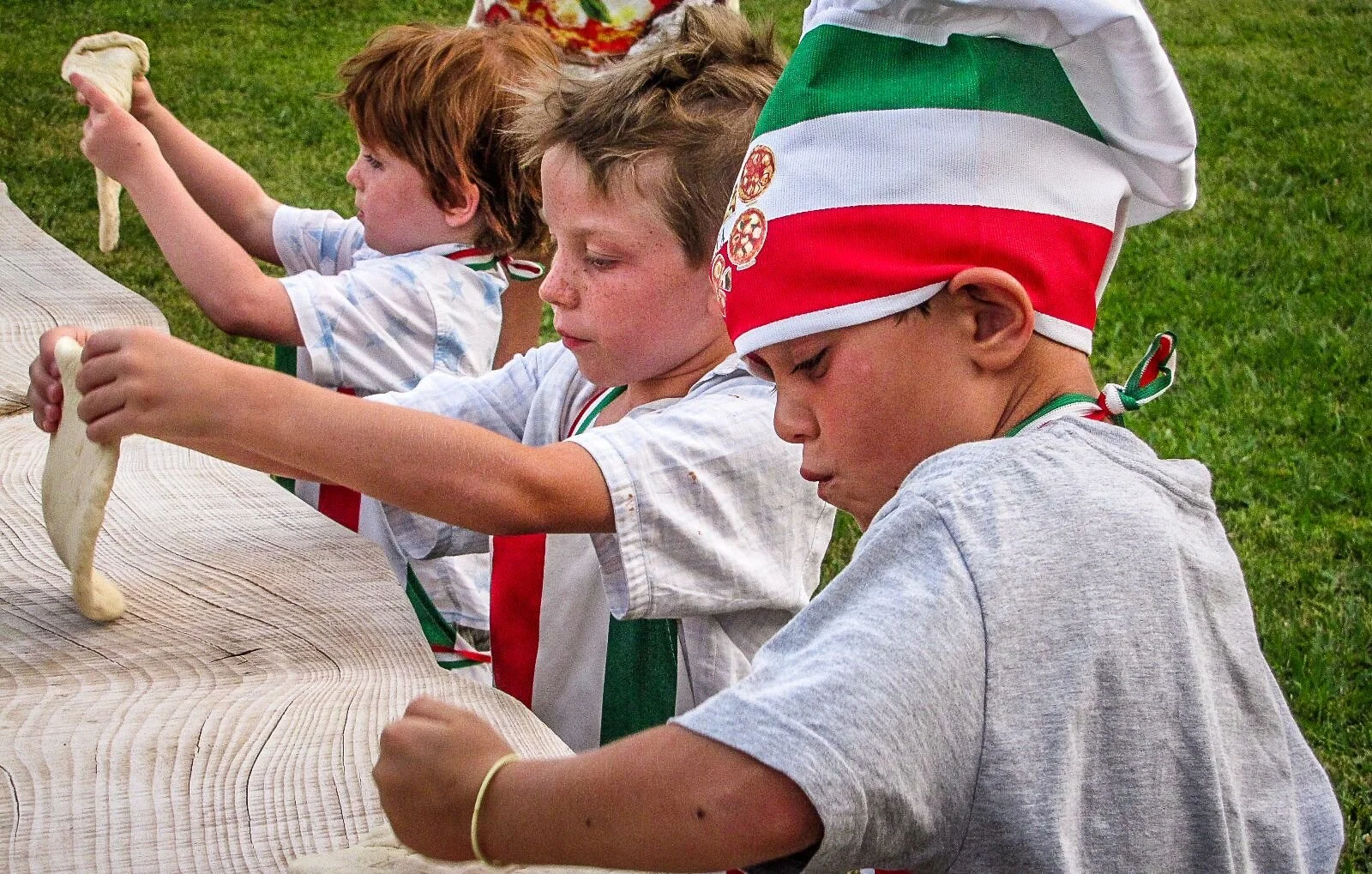
The single best decision I have ever made on behalf of a family trip is the cooking class. Not the polished hotel-kitchen one, not the cookbook-author one — the real one, in a real Italian kitchen, with a nonna who has been making the same pasta for sixty years and a long wooden board that has rolled out a million ravioli. Children come away changed. Parents come away with a recipe they will use forever. Below are six cooking classes for families that we book again and again — what makes each one work, and what age range each one is right for.
1. Pasta with a nonna in Bari Vecchia — Puglia
The most famous, and rightly so. In the old town of Bari, the small lanes around Via Arco Basso are still lined with women making orecchiette on small tables outside their front doors. The “orecchiette ladies” of Bari are a national institution. We arrange a private morning session with one of the families who has been doing this for three generations — kneading, rolling, the thumb-press that makes the orecchiette ear, then a lunch of what you have made. Children are welcomed warmly and often given the front spot at the table.
Right for: children 6 to 14. Younger children can come along but will get bored after the first hour. Older teens love it more than they admit.
How long: 3 hours including the lunch.
2. Pizza-making in Naples — Campania
The real pizza class, in a small Naples pizzeria with a wood-fired oven, after morning service. Children get to throw and shape the dough, top their own pizza, and watch it go into the oven for ninety seconds. The instructor is usually one of the family pizzaioli with a long wooden paddle and an endless patience. The lunch is the pizza you have made. The class is loud, hot, fun, and instantly the favourite memory of any Italy trip.
Right for: children 5 to 16. Genuinely all-ages.
How long: 2 hours.
3. Fresh pasta and ragù at a Chianti farmhouse — Tuscany
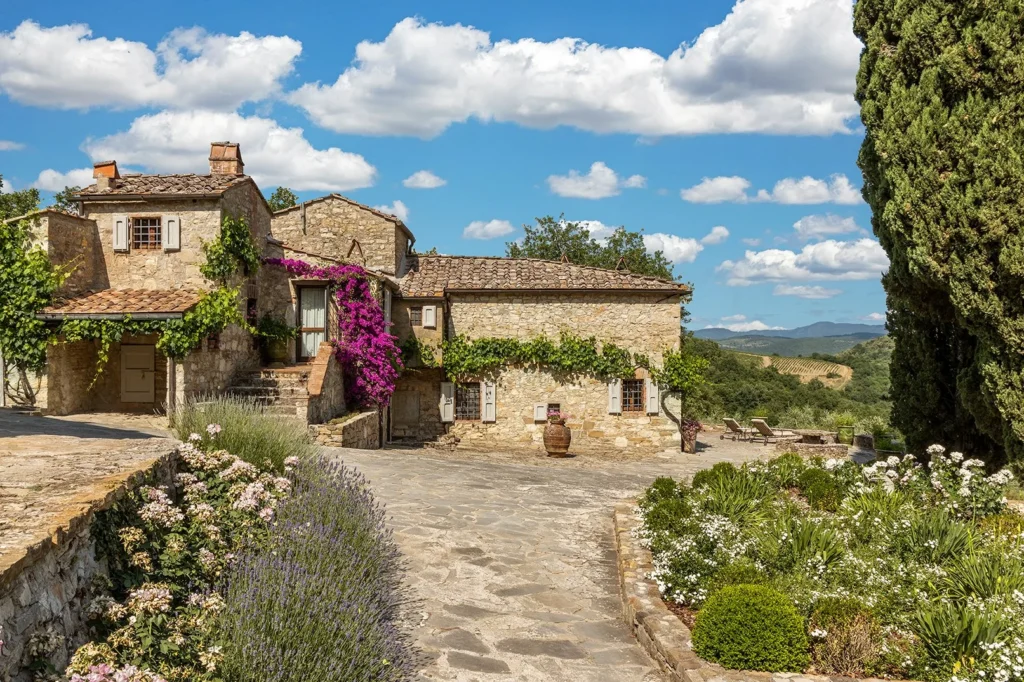
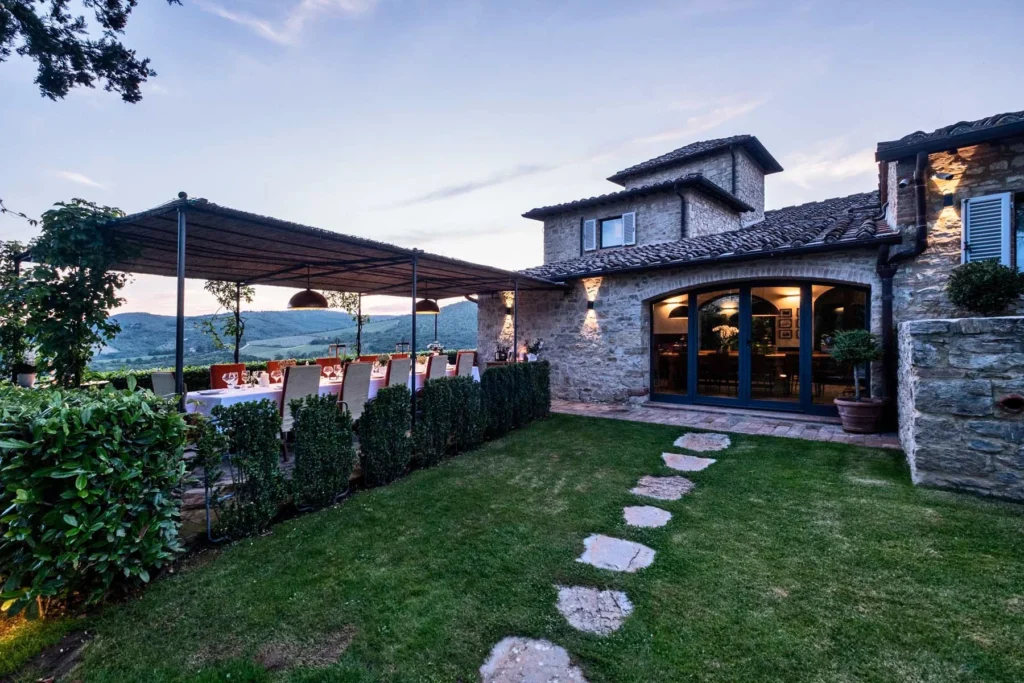
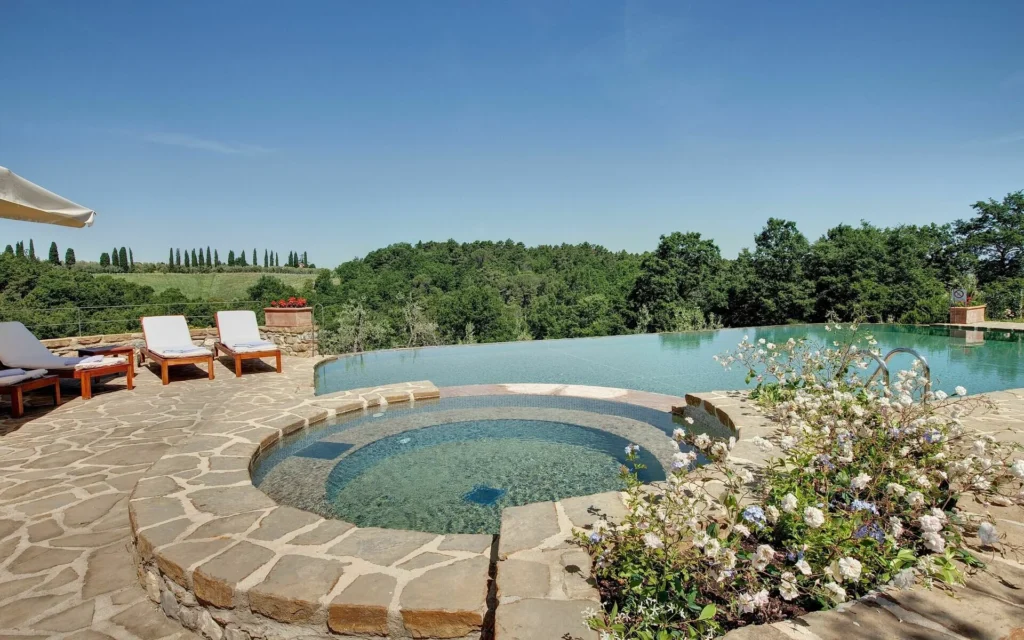
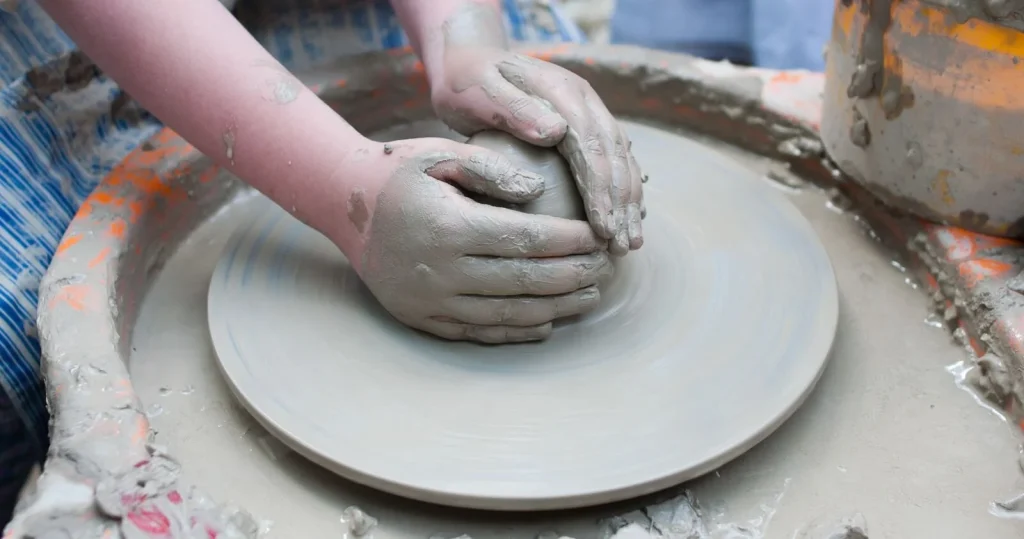
The classic Tuscan family cooking class — at one of the estate kitchens in our villas with a cook on staff. Children learn to roll pasta by hand (pici, the thick hand-rolled noodle of the Val d’Orcia), make a tomato sauce from scratch from estate tomatoes, and set the long table outside. The class ends with a three-course lunch on the terrace that lasts most of the afternoon. We arrange this as a half-day inside a villa week — no travel required, the children stay in their swimsuits, the parents pour another glass.
Right for: children 8 to 14, but adaptable up and down.
How long: 4 hours including the lunch.
4. Gelato-making in Florence — Tuscany
For children who would rather not work with raw eggs and flour for two hours, gelato is the answer. Several of Florence’s small artigianale gelaterie offer kid-friendly afternoon sessions — you learn the difference between gelato and ice cream, choose your flavour, churn it, taste it. The class ends with the gelato cone of the day. Younger children love this more than any other cooking experience.
Right for: children 4 to 12.
How long: 90 minutes.
5. Tortellini in Bologna — Emilia-Romagna
If your family is heading north of Florence, the Bologna tortellini class is the regional must-do. Tortellini are folded by hand into a tiny shape that requires patience and precision — exactly the right amount of challenge for an eight- or ten-year-old who likes to be the best at things. The class is usually at a small cooking school in the Mercato delle Erbe or in a private family kitchen. The lunch is the tortellini in brodo, the classic broth.
Right for: children 8 to 14.
How long: 3 hours including lunch.
6. The market and the kitchen in Palermo — Sicily
The Palermo class begins at the Ballarò or Capo market with a guide who knows every stall, then moves to a private kitchen for the cooking. Children love the market — the noise, the colours, the cheese stalls with the long thin knives, the fishmongers shouting prices. Then the cooking back at the kitchen: caponata, arancini, the Sicilian pasta with sardines and wild fennel. The class ends with a three-hour lunch and a family that has been the better for the morning.
Right for: children 10 and up — younger children find the market overwhelming.
How long: a full half-day, 9 a.m. to 2 p.m.
The three things that make these work
Across all six classes, the same three things separate the great experiences from the forgettable ones:
It has to be private, or close to it. A group class with six other families is loud and rushed. A private family class is intimate and the instructor adjusts to your children’s pace. The price difference is real but not enormous, and the experience is twice as good.
The lunch matters more than the class. Children remember the meal, not the technique. A nonna’s three-hour lunch with the food they made is the part that lasts a year.
It should happen near the start of the trip. Day two or three is the right slot. The children come away feeling like they have a personal connection to the country, and the rest of the week is richer for it. We never schedule the cooking class for the last day.
Plan a family week with one of these
Every one of the six classes above can be arranged as part of a Doorways villa week. Tell us the ages of the children, the dates, and which region you are coming to, and we will match the class to the trip. Get in touch and we will start the planning.